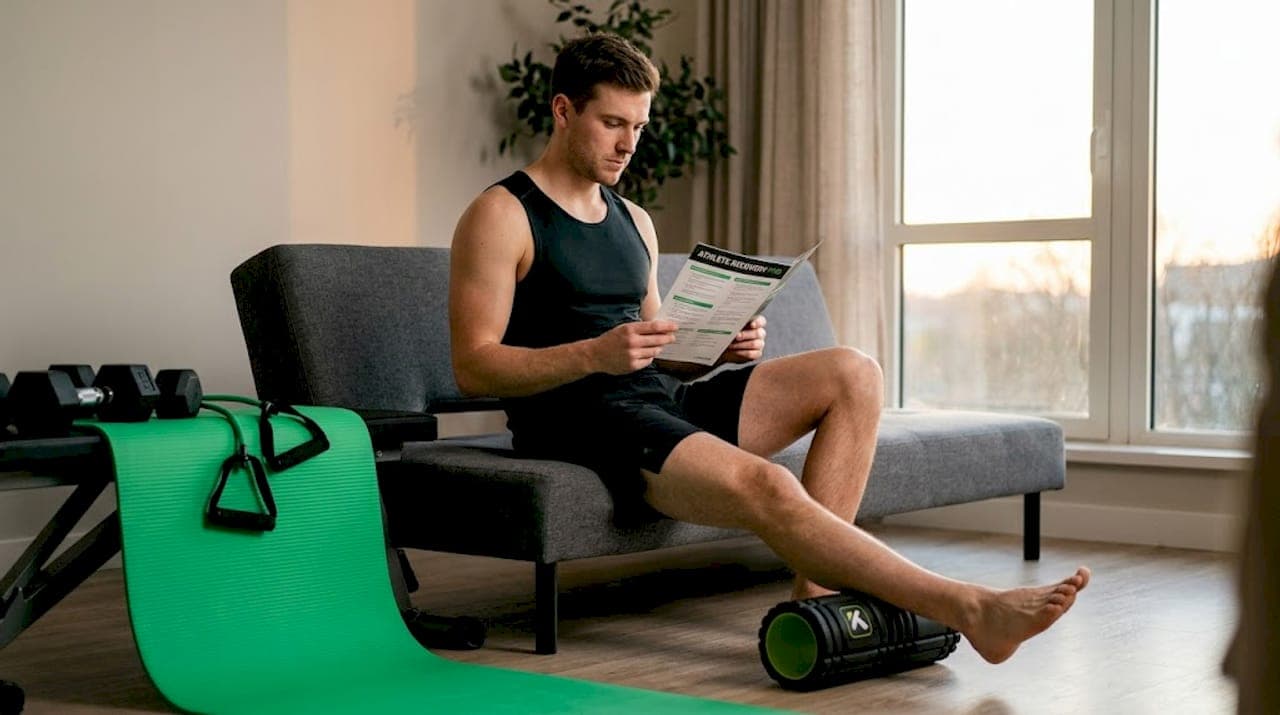
If you train hard, you've likely heard the buzz around the best peptides for recovery. BPC-157, TB-500, collagen peptides, growth hormone secretagogues — the options are everywhere, and so are the bold claims. But most of what circulates in athlete communities runs well ahead of the actual science. This article cuts through the noise with a clear-eyed look at which peptides have real evidence behind them, which carry significant unknowns, and how to build a recovery protocol that doesn't trade short-term gains for long-term risk.
Table of Contents
- Key takeaways
- 1. How to evaluate the best peptides for recovery
- 2. BPC-157: the most popular injectable for injury recovery
- 3. TB-500: the tissue repair peptide with even thinner human data
- 4. Collagen peptides: the recovery option with the best human evidence
- 5. Growth hormone secretagogues for muscle recovery
- 6. Side-by-side comparison: top recovery peptides
- 7. Making smart decisions when adding peptides to your recovery plan
- My honest take on peptides for recovery
- Track your peptide protocol with Peptideai
- FAQ
Key takeaways
| Point | Details |
|---|---|
| Evidence gaps are real | BPC-157 and TB-500 lack large-scale human trials, making their recovery claims largely preclinical. |
| Collagen peptides lead on evidence | Oral collagen with vitamin C has the strongest human data for tendon and ligament recovery. |
| Legal status matters | BPC-157 and TB-500 are not FDA approved, limiting legal access and raising product quality concerns. |
| Peptides work best as adjuncts | Sleep, nutrition, and rehab remain the foundation. Peptides amplify, they don't replace. |
| Medical oversight is non-negotiable | Sourcing unregulated injectables without a physician is where most recovery protocols go wrong. |
1. How to evaluate the best peptides for recovery
Before you add any peptide to your protocol, you need a filter. Marketing can make anything sound promising. Science is more unforgiving. Here's the framework that separates credible options from hopeful speculation.
Clinical evidence quality. The single most important question is whether a peptide has been studied in humans under controlled conditions. Animal studies, mostly rodent models, can suggest biological plausibility. They cannot confirm that the same effect occurs in humans at the same doses. A peptide with only preclinical animal data is a hypothesis, not a proven tool.
Regulatory and legal status. The FDA's classification of a peptide determines whether a compounding pharmacy can legally prepare it for you. BPC-157 and TB-500, for example, sit on a restricted list that prohibits legal compounding in licensed 503A and 503B pharmacies. That matters for both safety and legality.
Safety profile and product purity. Peptides sold outside pharmaceutical channels as "research chemicals" carry no guarantee of sterility or accurate dosing. Contaminated research chemicals can cause infections, immune reactions, and unpredictable biological effects. Pharmaceutical-grade products have documented safety profiles. Research-chemical sources often do not.
Mechanism of action. Understanding how a peptide works tells you a lot about whether it fits your recovery goal. Tendon repair requires collagen synthesis. Muscle recovery involves satellite cell activation and protein synthesis. A peptide that primarily promotes angiogenesis may help wound healing but do little for acute muscle soreness.
Practical factors. Cost, administration method (oral vs. subcutaneous injection), dosing frequency, and cycle length all affect whether a protocol is sustainable and appropriate for your situation.
Pro Tip: Before researching specific peptides, map your recovery goal precisely. Tendon injury, muscle damage, and post-surgical healing each respond to different biological mechanisms. The same peptide that helps a torn tendon may do very little for overtraining fatigue.
2. BPC-157: the most popular injectable for injury recovery
BPC-157 is derived from a protein found in gastric juice. In animal models, it promotes angiogenesis (new blood vessel growth) and collagen synthesis, which is why it gained traction as a potential tendon and muscle repair agent. The rat studies are genuinely impressive. Rodents with severed tendons recovered significantly faster with BPC-157 injections compared to controls.
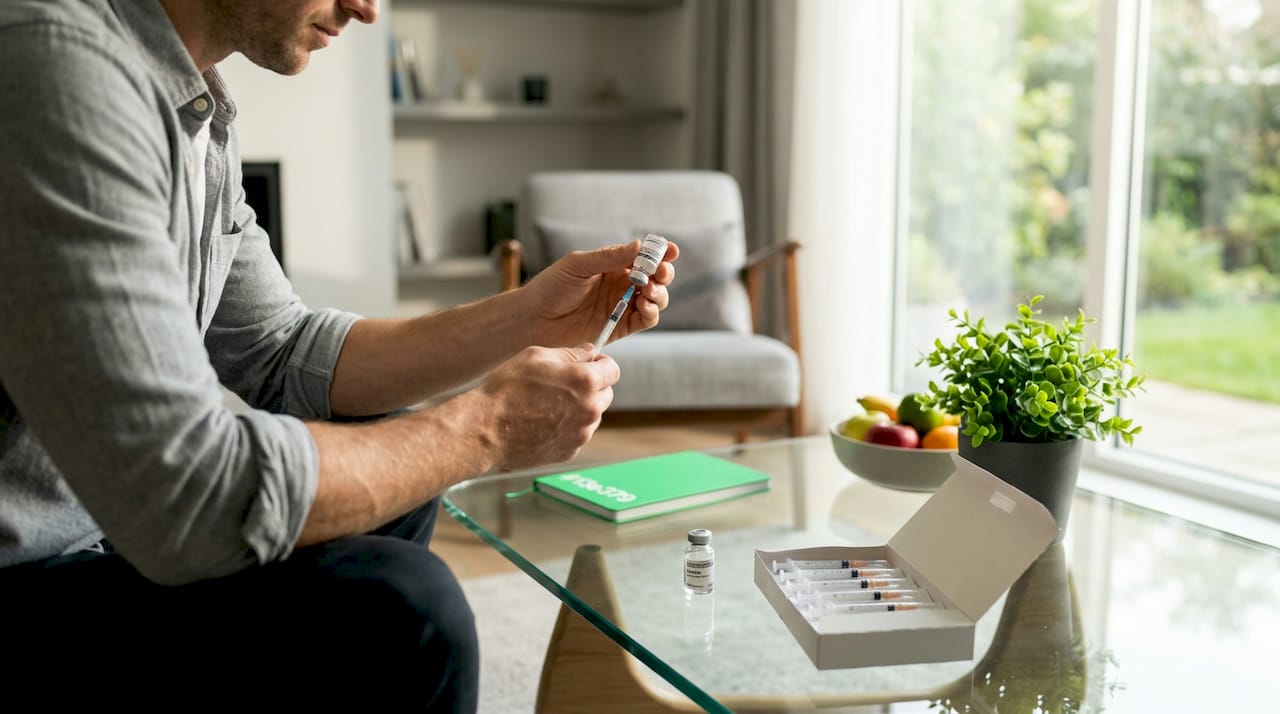
The problem is the leap from rat to human. Large-scale human trials validating BPC-157 for musculoskeletal recovery simply don't exist yet. The human data is limited to case series and small pilot studies. That's not nothing, but it's far from sufficient to make confident dosing or efficacy claims.
Common community protocols involve subcutaneous injections of 200 to 500 micrograms per day, typically for four to eight weeks. Some athletes inject locally near the injury site. Others use systemic dosing. Neither approach has been formally studied in a clinical trial.
Key considerations for BPC-157:
- Extensive animal evidence for tendon, ligament, and gut tissue repair
- No FDA approval; classified as an unapproved research chemical
- Compounding restrictions make legal sourcing through pharmacies unavailable
- Injection carries infection risk, especially with non-pharmaceutical-grade products
- Naturally occurring healing timelines make it hard to separate the peptide's effect from normal recovery
Pro Tip: If you're exploring BPC-157, read the full breakdown of BPC-157 recovery protocols before deciding. Understanding the risk-to-evidence ratio specific to your injury type changes the calculus significantly.
3. TB-500: the tissue repair peptide with even thinner human data
TB-500 is a synthetic fragment of thymosin beta-4, a protein your body naturally produces to regulate cell migration and wound healing. It plays a documented role in tissue remodeling at the cellular level, which is why it attracted serious interest in sports recovery circles. The preclinical data shows genuine tissue repair effects. The human data is another story.
The strongest clinical evidence for thymosin beta-4 exists in topical eye treatments, not systemic injections for muscle or tendon recovery. Extrapolating from eye drops to subcutaneous injections for a hamstring tear is a significant, unsupported leap.
TB-500 shares essentially the same regulatory status as BPC-157. It is not FDA approved for any systemic use, and legal compounding restrictions apply. Most athletes who use it are sourcing from research chemical suppliers, which carries all of the purity and sterility concerns described above.
TB-500 at a glance:
- Biologically plausible mechanism: promotes actin polymerization and cell migration
- Preclinical evidence supports wound and tissue healing
- Human trial evidence does not support systemic use for musculoskeletal recovery
- Regulatory status mirrors BPC-157: unapproved and not legally compoundable
- Commonly stacked with BPC-157 in the "Wolverine Stack," a community-driven protocol without controlled clinical validation
Pro Tip: The Wolverine Stack is real in the sense that thousands of athletes use it. It's not real in the sense that there is no controlled human trial confirming what it does, when it works, or when it doesn't. Approach it with that framing.
4. Collagen peptides: the recovery option with the best human evidence
If you want the peptide for injury recovery with the strongest human data right now, it's not BPC-157. It's oral collagen peptides. That probably surprises people who associate collagen with skin care, not athletic performance.
Research shows that collagen peptides with vitamin C, taken before exercise, can accelerate connective tissue synthesis by up to 144% compared to controls. The mechanism makes biological sense: collagen peptides supply the amino acid building blocks for tendon and ligament repair, while vitamin C acts as a necessary cofactor in collagen synthesis. Doses of 10 to 15 grams before training appear to be the effective range based on current research.
This isn't a replacement for BPC-157 or TB-500 in every athlete's mind, because collagen peptides don't carry the mystique of injectable biohacking. But for tendon and ligament health, they are the evidence-backed option you can use legally, affordably, and without injection risk.
5. Growth hormone secretagogues for muscle recovery
CJC-1295 and Ipamorelin are growth hormone-releasing peptides that work by stimulating your pituitary gland to produce more growth hormone. The clinical evidence here is more substantive than for BPC-157, though still limited in the athletic recovery context.
Studies show these peptides can increase lean body mass and improve physical function, with some documented adverse effects including fatigue and insulin resistance at higher doses. They sit in a gray zone: more human trial data than BPC-157, but still not approved for performance or recovery use in otherwise healthy athletes.
The practical reality is that growth hormone secretagogues are often used for their sleep quality and recovery effects as much as direct muscle repair. GH pulses during sleep are a real physiological driver of tissue repair. Enhancing those pulses is a plausible recovery mechanism. The issue remains legality and sourcing quality.
6. Side-by-side comparison: top recovery peptides
| Peptide | Evidence level | Administration | Legal status | Best use case |
|---|---|---|---|---|
| BPC-157 | Preclinical (animal) | Subcutaneous injection | Not FDA approved | Tendon/ligament injury (unvalidated) |
| TB-500 | Preclinical (animal) | Subcutaneous injection | Not FDA approved | Tissue remodeling (unvalidated) |
| Collagen peptides | Human clinical trials | Oral | Legal, widely available | Tendon and ligament recovery |
| CJC-1295/Ipamorelin | Limited human trials | Subcutaneous injection | Prescription/gray area | Muscle repair, sleep/recovery quality |
The table makes the pattern clear. The peptides with the most community enthusiasm (BPC-157 and TB-500) have the weakest human evidence. The peptide with the most human evidence (collagen) gets the least attention. That gap is worth understanding before you commit to any protocol.
For athletes dealing with tendon or ligament issues, collagen peptides are the most defensible starting point. For those interested in the experimental injectables, the risk-to-evidence ratio demands medical supervision and rigorous product quality checks. The current FDA regulatory environment for peptides continues to shift, so verifying a peptide's current compounding status before sourcing is not optional.
7. Making smart decisions when adding peptides to your recovery plan
Peptides are signaling molecules that work within your existing physiological environment. That means their effectiveness depends heavily on whether you have the recovery fundamentals in place.
Here's how to approach this intelligently:
- Fix the foundation first. Sleep quality, protein intake (1.6 to 2.2 grams per kilogram of body weight), structured rehab, and appropriate load management are the primary drivers of recovery. Peptides are adjuncts, not substitutes.
- Match the peptide to the problem. Tendon injury responds differently than muscle strain. Collagen peptides are specifically suited to connective tissue. Growth hormone secretagogues work systemically. Choose based on mechanism, not community popularity.
- Get a physician involved. A sports medicine doctor or functional medicine physician familiar with peptide therapy can order bloodwork, monitor for adverse effects, and provide access to pharmaceutical-grade products through legal channels.
- Verify product quality. If you're accessing any injectable peptide, confirm that it comes from a source with third-party testing documentation. The risk of contamination in unregulated research chemicals is real and not theoretical.
- Set a defined evaluation window. Use four to eight weeks as your assessment period. Track objective markers: pain levels, range of motion, performance output, and biomarkers if possible. If nothing is measurably improving, don't extend the cycle indefinitely.
- Know the current legal status. Regulatory status for peptides changes frequently. A peptide that was legally available via compounding pharmacy last year may not be this year. Check before you source.
Pro Tip: Keep a detailed log of what you're taking, when, and what changes. Anecdote is unreliable, but structured self-tracking gives you real signal over time. Apps designed for peptide protocol tracking make this far easier to do consistently.
My honest take on peptides for recovery
I've watched the peptide conversation evolve significantly over the past few years. What I've noticed is a pattern: the community enthusiasm runs about five years ahead of the peer-reviewed evidence, which isn't necessarily wrong, but it is something athletes need to hold consciously.
My view is that BPC-157 and TB-500 are genuinely interesting compounds. The preclinical biology is real. But I wouldn't personally rely on them as a primary recovery strategy, because the human evidence simply isn't there yet to justify the confidence many people bring to their protocols. The Wolverine Stack testimonials I've seen online are almost impossible to separate from normal healing timelines, placebo response, and the fact that people who invest in recovery peptides also tend to do everything else right.
What I think is underrated is the combination of collagen peptides, structured rehab, and a growth hormone secretagogue for athletes who are not responding to conservative recovery alone. That approach has more human data behind it and significantly fewer regulatory and safety unknowns.
If you're going to explore the experimental injectables, do it with a physician, with pharmaceutical-grade products where legally possible, and with honest expectations. Peptides can be a useful layer in a well-built recovery system. They are not a shortcut past the fundamentals.
— Sam
Track your peptide protocol with Peptideai
Building a peptide recovery protocol without tracking it is like training without a program. You lose the signal in the noise.

Peptideai is a mobile app built specifically for athletes who take their peptide use seriously. You can build and track custom stacks including BPC-157, TB-500, Semax, and more than 50 other cataloged peptides, with precise dosing schedules and reminders. The AI Insights Chatbot delivers real-time, research-backed guidance based on your specific stack and goals. Biometric tracking through Apple Health, Oura Ring, and Whoop integration lets you see whether your protocol is actually moving your recovery markers. If you want to know whether your peptide protocol is working, start with Peptideai and let the data tell you.
FAQ
What are the best peptides for muscle recovery?
Collagen peptides have the strongest human trial evidence for connective tissue recovery. BPC-157 and TB-500 are popular with athletes but currently supported only by animal studies.
Why use peptides for injury recovery instead of standard treatment?
Some athletes add peptides to accelerate tissue repair beyond what standard rehab alone provides. Peptides are best used as adjuncts alongside, not replacements for, physical therapy and proper nutrition.
How do peptides aid recovery at a biological level?
Peptides act as signaling molecules that trigger specific cellular processes such as collagen synthesis, angiogenesis, and cell migration, which are all mechanisms involved in tissue repair and regeneration.
Is BPC-157 legal to use?
BPC-157 is not FDA approved and cannot be legally compounded by licensed pharmacies in the US under current regulations. Its legal status should be verified against current FDA guidelines before sourcing.
How do I know if my peptide protocol is working?
Track objective markers including pain levels, range of motion, training output, and biometric data over a defined four to eight week window. Subjective feel alone is not sufficient to evaluate a protocol reliably.